10km. 500m+. Reverse handicaps. Questionable governance.

About 500 Over 10

A running format built around simple numbers, brutal courses, handicapped starts, and the deeply democratic idea that everyone should suffer together.

The Concept

500 Over 10 began as a single route on the Northern Beaches of Sydney: 10 kilometres, 500 metres of climbing, and just enough beauty and chaos to make it interesting. It has since become a format — part course challenge, part community race, part shared experience of trail running madness.

The Genesis

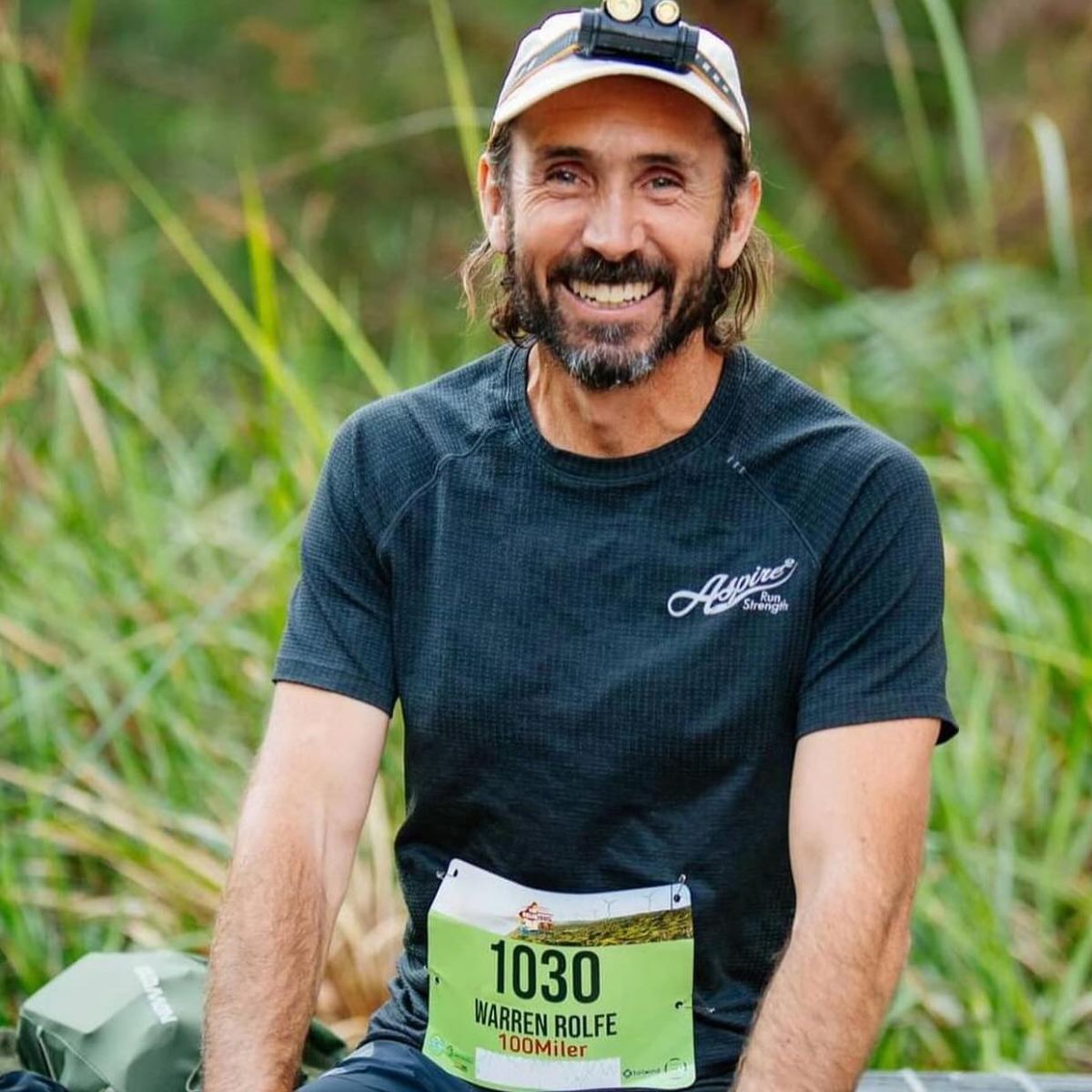
Once upon a lockdown, George and Warren set out to create the perfect running loop: 10 kilometres, 500 metres of climbing, and a route that felt both beautiful and unnecessarily punishing.

They ran up and down hills, through reserves and across streets, constantly finding that the loop was either too long, not steep enough, or simply not interesting enough. Then came the missing link: a hidden connection between Prince Alfred Parade and Hudson Parade that finally made the dream possible.

The Bilgola 500 was born.

The Race History

The course was one thing. Turning it into a race required a different kind of madness.

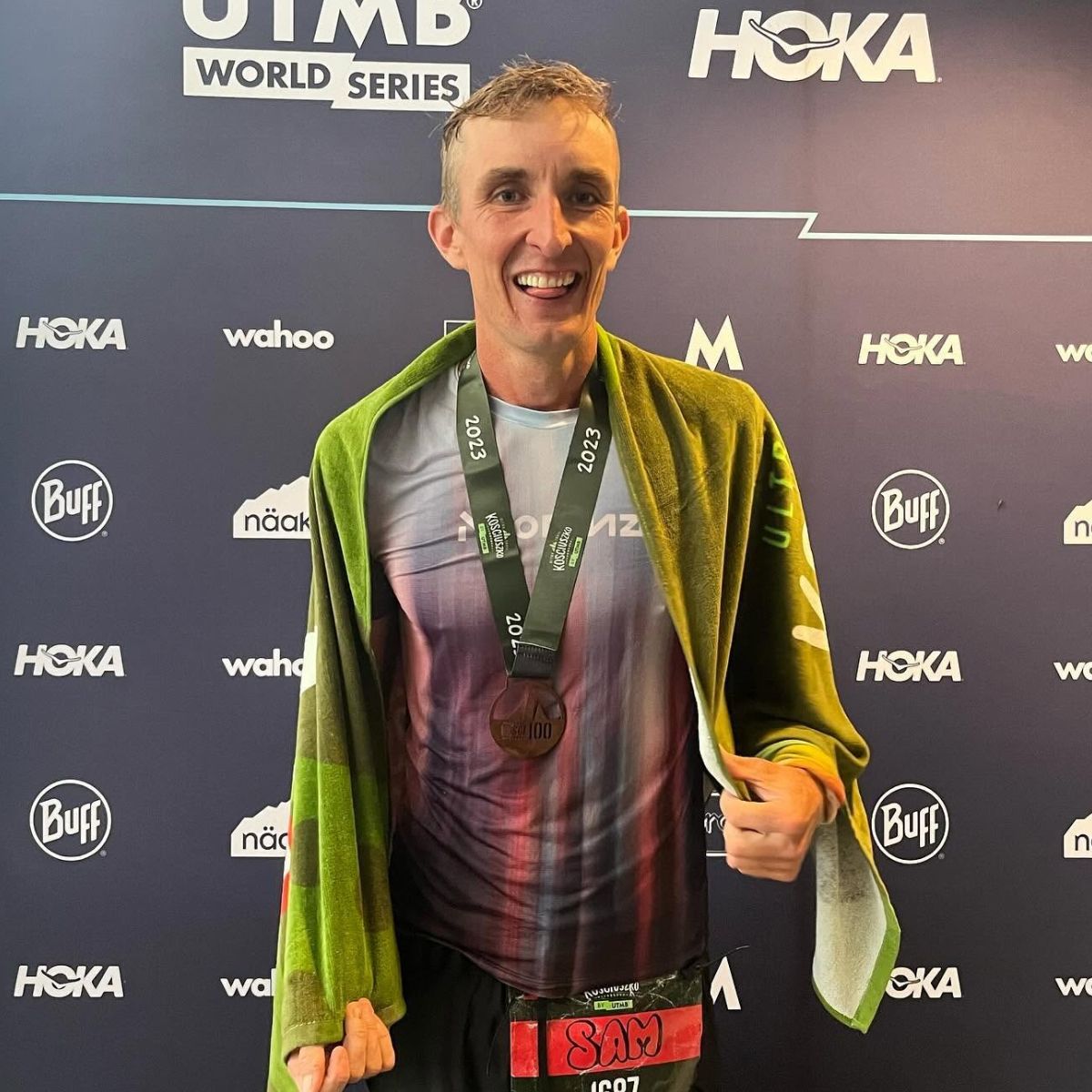
Sion ran a gym. He connected people. He floated the idea of racing the Bilgola 500 to his friend Sam. Sam, in an unusual moment of administrative caution, suggested they first seek the blessing of the Course Creators. The idea escalated quickly.

And because Sion had no realistic chance of winning a normal race and is a genuine Division Two Athlete, the Reverse Handicap format was born — giving every runner a chance at glory and every faster runner someone to chase.

The Bilgola 500 Pursuit was born.
Race Format — Reverse Handicap

This is not your standard race. Every runner is given a predicted finish time based on past results or submitted course attempt.

That prediction becomes the handicap. The start order is then flipped so the slowest runner starts first and the fastest starts last. If everyone runs to their ability, the field should come together near the finish line.

It is a race to the line — just with a head start, or a chase, depending on your pace.

Participants

Each year, the top eight finishers earn an automatic invite to return the following year. Every one of those eight also gets a plus one — someone they personally invite to race.

A full field is 16 runners: eight returning and eight invited. There are no applications. The only way in is to finish top eight, or be chosen by someone who did.

Get in touch if you are keen to be a plus one.

The Committee